Barry Guess held a life-long passion for motorsport and for delivering and supporting events and competitors.
Barry joined Sutton & Cheam Motor Club in 1986. He quickly became a stalwart of club motorsport in the Southeast.
Barry chaired the ACSMC in the 1990s, a period during which it was highly proactive in promoting club motorsport and representing its clubs to the Motorsport Association (MSA). He was also a very effective Forestry Liaison and MoD Liaison officer. He pioneered realistic training events for organisers and marshals at venues such as Rushmoor. This initiative was noticed by the MSA who took the idea around the country.
Barry liked a challenge and nowhere was this more clearly demonstrated than in his ability to work out an appropriate event to overcome a new venue’s limitations or exploit its strengths. His mantra was to enable competitors to compete. This approach led to a sprint, rally, AutoSOLO and off-road event at the same venue over one weekend – the Abingdon Motorsport CAR-nival. To add value, the sprint consisted of two courses with best times being combined to determine overall results. Other innovative events included: the Longmoor Loco 2WD-only rally; breaking the Tempest Forest Rally into separate 2WD and 4WD events starting simultaneously on different stages; sprints for restricted classes at Longcross; the summer Rallysprint at Bramley, various rallies at Rushmoor and the ‘out and return’ rally at Deepcut. The Longmoor and Rushmoor events were innovators in organising an event between Boxing Day and New Year to “blow away the cobwebs”!
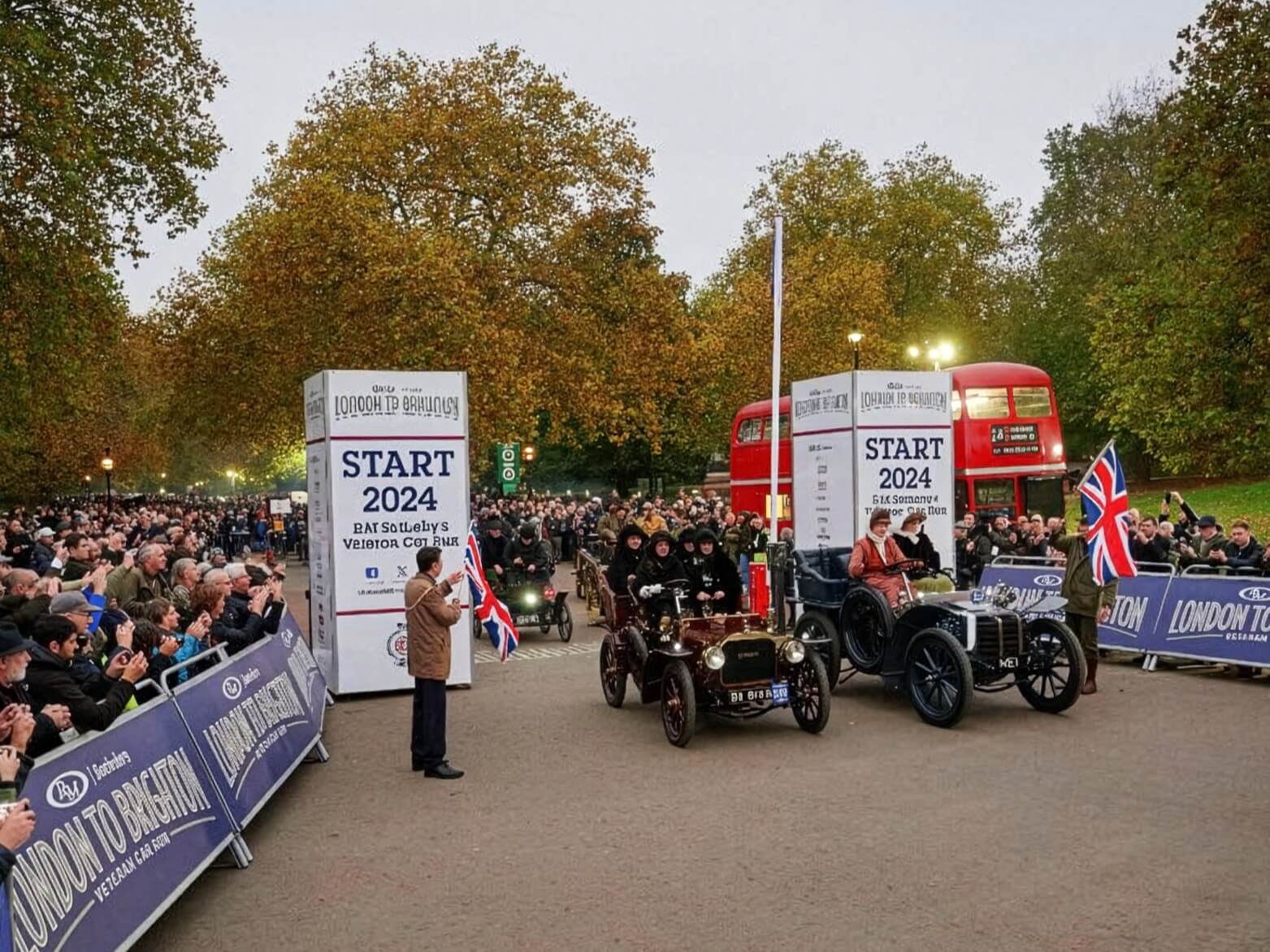
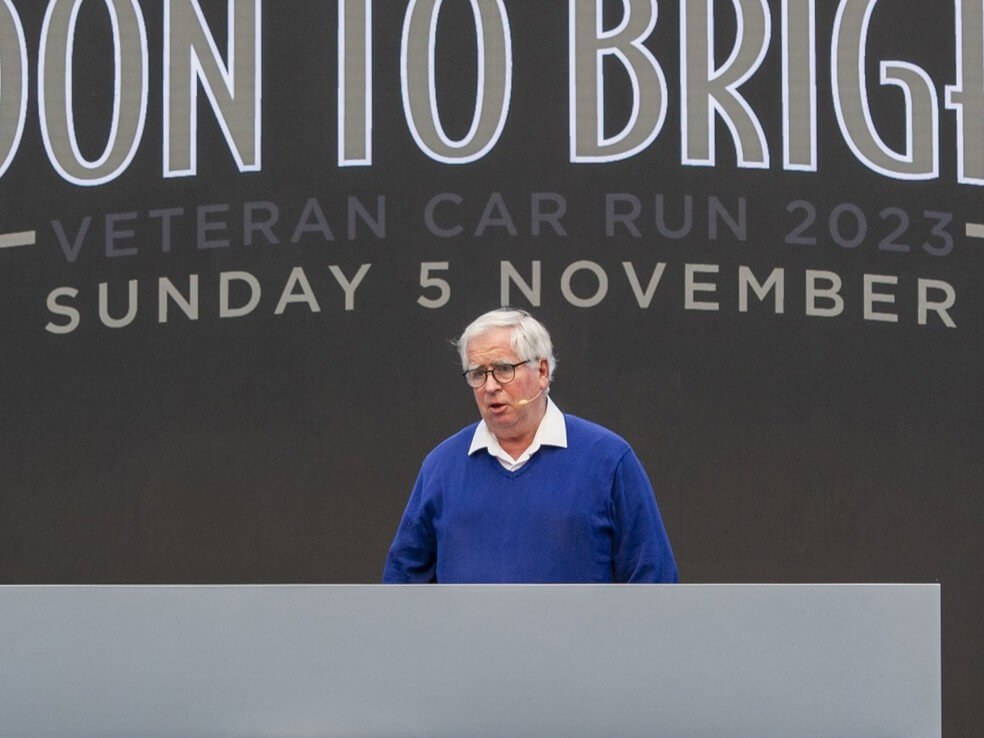
After a debut as the Stage Commander on the Calma Stages in the mid-1980s, Barry took over as Clerk of the Course and grew the Tempest forest rally to become a round of the British Rally Championship, eventually achieving international status. Such innovation also led to Barry being invited to be Clerk of the Course for the Race of Champions at Wembley Stadium and, more recently, taking the lead role on the Royal Automobile Club’s London to Brighton Veteran Car Run.
Barry was passionate about things being done properly. To achieve this, he used his role as a Motorsport UK Steward to learn from other events and disciplines and see what he could apply to the rallies and sprints the club ran. Barry demanded high standards from all the team and sometimes expected a degree in mind reading. Competitors and officials were left in no doubt where they had not met Barry’s standards, but it was clear that, once you had earned his trust and understood the standards he wanted to deliver, you would be given the room to get on with things. As a result, his events were always supported by large numbers of returning competitors and officials.
Barry was a visionary, and in the late 1990s he realised that the bigger, more costly events would become too big for a single club to run. He also recognised that by involving other clubs in the running of an event this would increase experience and offer training for clubs to be able to run their own smaller events. Despite the challenges this approach created for him as ‘lead organiser’, the Tempest Rally became a three-club promotion, and the CAR-nival also involves three clubs at its core.
While Barry was often viewed as a rather ‘hard-nosed’ organiser there was a compassionate side of him which often appeared. It was not unusual to discover that Barry had found roles for people on events because he was aware of difficulties in their lives. After a tragic accident on a rally at Bramley Camp, alongside Barry’s concerns for the families of the competitors, was a recognition of the impact on all those at the event, in particular the marshals and rescue / recovery crews. Barry arranged an evening where everyone could come together, have a drink and reflect on their experiences.
After retirement from BAE Heritage, he had the opportunity to pursue other interests. In recent years this involved the training and expert handing of two Retriever rescue dogs, who were very much part of the family.
Aside of motorsport, Barry’s other passion was rugby union. He became a passionate supporter of Leicester Tigers rugby club, and England men’s and women’s rugby more generally. He was delighted with the World Cup win and liked noting more than planning and executing a weekend at a match, whether at home or abroad, with like-minded supporters.
Barry had suffered a range of ailments in recent years, but this had not tempered his enthusiasm for motorsport – indeed planning for the CAR-nival and London to Brighton were well in hand. However, a complex cancer diagnosis in early February proved too big a challenge, even for him, and he passed away on 9th March after six days in hospital.
Motorsport UK sends condolences to Barry’s family, friends and the club community that he supported so well.